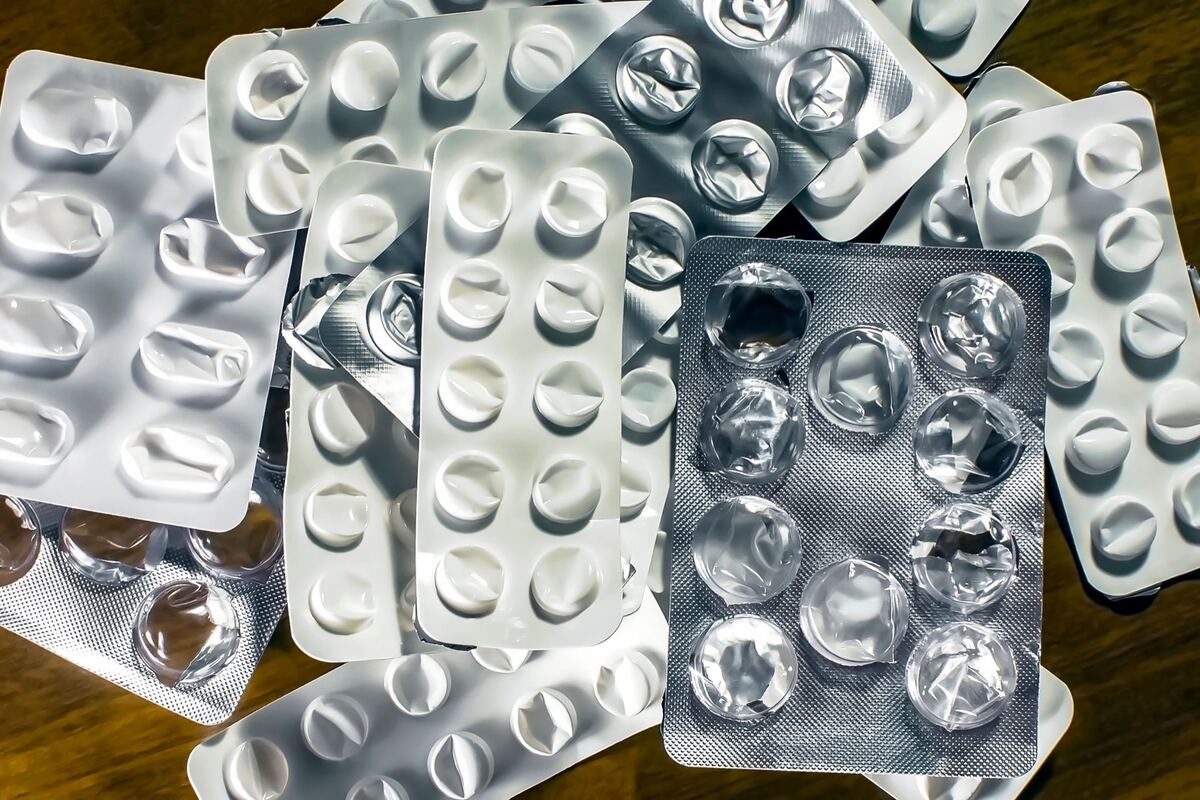
Most medicine cabinets contain a small archive. A course of something finished two years ago. A bottle with four tablets left. Two boxes with no box, just loose strips. Something a relative left behind. Clearing it out is a genuinely good idea, and the only real question is what to do with the contents once they are on the counter.
Start by working out what you actually have
Before deciding how to dispose of something, it helps to know what it is, because the disposal route differs for a small number of medicines. Loose tablets with no packaging are the awkward case, and they are also the most common thing people find during a clear-out.
If a tablet still has a legible imprint, it can usually be identified from the code, shape and colour. A photograph is faster and more reliable than trying to describe it, since the imprint is the part that carries the information and it is easy to misread by eye. The mechanics of that are covered in pill identifier by picture.
If a tablet has no marking at all, treat it as unidentifiable. Unmarked tablets are typically supplements or products from outside the United States, and no tool can verify them by appearance. Those go in the disposal pile without further investigation.
The best option: a take-back location
The cleanest route for almost everything is a drug take-back programme. The U.S. Drug Enforcement Administration runs periodic National Prescription Drug Take Back Days and maintains a directory of authorised year-round collection sites, which include many pharmacies, hospitals and law enforcement buildings.
Take-back is the recommended default because it removes the medicine from the house entirely and handles it properly, with no judgement calls required from you about what is safe to bin or flush.
Some pharmacies also sell mail-back envelopes, and some offer in-store collection kiosks. If you are already going to the pharmacy, it is worth asking.
If there is no take-back option nearby
The FDA’s guidance for most medicines, when take-back is not available, is that they can go in your household rubbish with a few precautions:
- Take them out of the original container. This removes your personal information and makes the contents less obviously appealing.
- Mix them with something unpalatable. Used coffee grounds, dirt or cat litter are the standard suggestions. The point is to make the mixture unattractive to children, pets and anyone going through a bin.
- Seal the mixture in a bag or container before it goes in the rubbish.
- Scratch out the label on the empty packaging before recycling or discarding it. For the bottles themselves, including whether local recycling takes them and how to reuse them safely, see what to do with empty pill bottles.
The narrow exception: the flush list
A small number of medicines carry specific instructions to flush them if take-back is not immediately available. These are mostly potent opioids and a few other medicines where a single dose, taken accidentally by a child or anyone they were not prescribed for, could cause serious harm quickly.
The FDA publishes and maintains the list of these products. The important framing: this is a short, specific list, not a general instruction. Flushing is the exception made because the immediate risk of the medicine sitting in a house outweighs the environmental cost. Everything not on that list should go to take-back or into the bin using the steps above, not down the toilet.
If you are unsure whether something you are holding is on that list, a pharmacist can tell you in seconds.
What to do with sharps and unusual items
Needles, syringes and pens do not go in household rubbish. They need a sharps container and a proper collection route, and many pharmacies and local authorities run one. Inhalers, patches and liquids all have their own handling notes; patches in particular can retain enough active medicine to be dangerous after use, and their packaging usually says how to fold and discard them.
While you are in there
A clear-out is a good moment to fix the things that cause confusion later.
- Keep medicines in their original packaging where you can. The label is the thing that makes identification easy in a year’s time.
- Do not decant several medicines into one container. This is the single most common cause of the mixed-up-pills problem.
- Store somewhere cool and dry. A bathroom cabinet above a shower is one of the worst spots in a house for heat and humidity, despite being the traditional one.
- Check what is left against what you actually still take, and raise anything that is no longer needed at your next appointment. Anything past its date is the easy call, and if you are curious what that date was actually guaranteeing, what happens if you take expired medication explains it.
- Write down what went back in. A short list of what is in the cabinet, with the name and strength copied from each label, takes five minutes and means the next clear-out starts from a record rather than from a pile. A photo of each box or bottle on your phone does the same job with less typing.
One thing that comes first
If a child or a pet may have swallowed something during a clear-out, do not stop to identify it. Contact your local poison control centre or emergency services straight away. In the United States, Poison Help provides immediate guidance. Identification can happen afterwards, and the people helping you can work with a description.
For everything else, a clear-out is a slow, unglamorous job that makes the next year easier. Identify what you can, dispose of the rest properly, and put back only what you still use.